

Care and Maintenance for Outdoor Living
Exposure to the harsh Florida elements can leave your furniture looking dull and dirty. No matter what material your outdoor furniture is made out of, regular cleaning is essential to maintain its appearance and extend its lifespan. For those living in coastal areas, cleaning every few weeks is recommended to remove dirt and prevent salt buildup.
Although most of our materials are resistant to mold and mildew growth, under certain conditions surface mold and mildew can still develop. This typically occurs in humid, damp, or shady environments especially if organic materials (pollen, dirt, food) are left on the furniture
Please note, each type of furniture has different maintenance and cleaning needs.
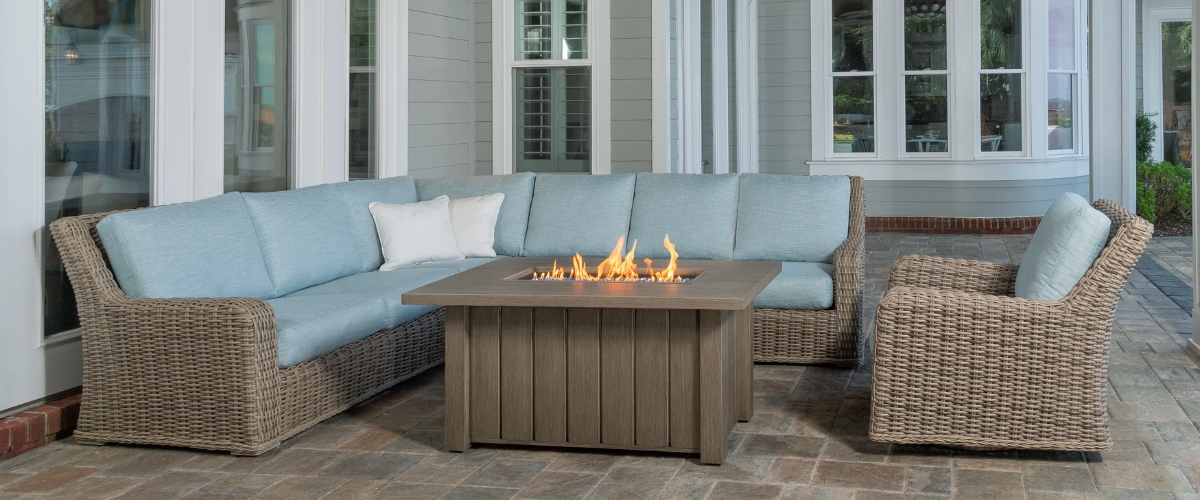
All Weather Wicker
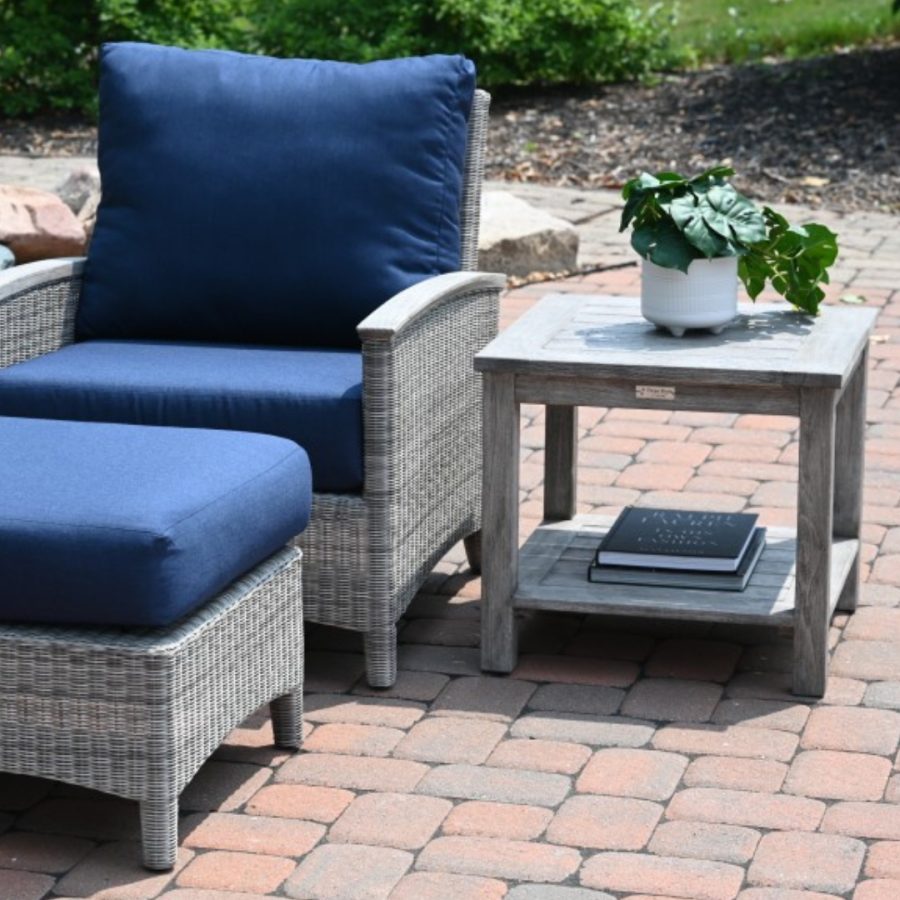
All Weather Wicker furniture doesn’t require much work to maintain. Your furniture benefits most from regular wipedowns and biannual deep cleanings. The best time to deep clean is before the spring season begins and again before it is covered or put away for winter.
To clean, begin by removing dust and debris from the frames with a soft bristle brush or blower. Then, spray off the frames with a garden hose on a medium setting. Next, using a solution of water and mild detergent or vinegar, scrub the frames with a soft bristle brush or cloth. Finish by rinsing the frames and allowing them to dry in a shaded area.
Pressure washers as well as alcohol-based, oil-based and other harsh cleaners are not recommended to clean your all weather wicker furniture.

Powder Coated Aluminum
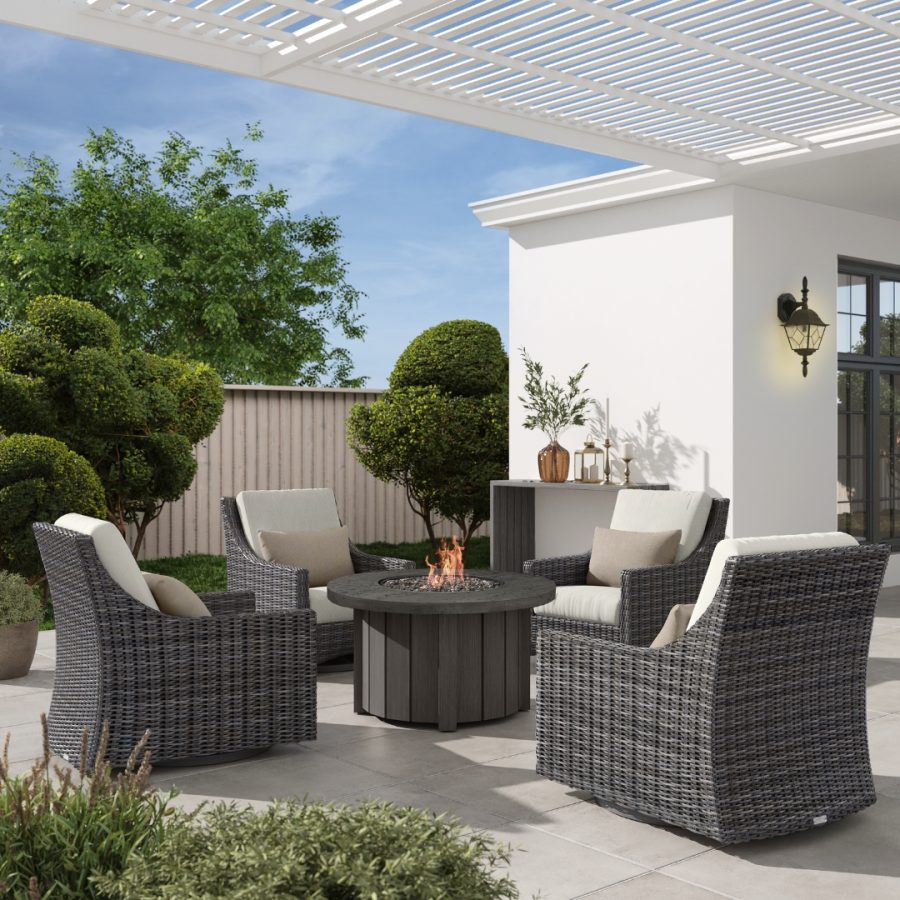
Powder Coated Aluminum frames should be regularly hosed off, especially those in coastal climates and with saltwater pools, to avoid salt buildup. Overtime, salt buildup can affect the finish of your frames.
Start by spraying off your frames with a hose to remove loose dirt and debris. Next, using a solution of water and mild detergent scrub the frames with a clean cloth. Finish by rinsing the frames with fresh water and drying them with a clean cloth. Do not use any abrasive materials, cleansers or bleach products as these may damage the finish.
If your aluminum patio furniture has a shiny or glossy, non-textured finish, you may find using a fine automotive wax helps to maintain the luster. For aluminum patio furniture with textured finishes, you can periodically apply mineral oil or baby oil to prevent dirt build-up and restore the luster.
Marine Grade Polymer (MGP)
Marine grade polymer (MGP) frames should be routinely cleaned.
Start by spraying off your frames with a hose to remove loose dirt and debris. Next, using a solution of water and mild detergent scrub the frames with a clean cloth. Finish by rinsing the frames and allowing them to dry in a shaded area.
If you are faced with an especially difficult-to-remove stain, apply a bleach solution and allow it to sit for 2 to 3 minutes. MGP is non-porous, so the bleach will not soak into the material. If necessary you can use a nylon scrub pad or soft bristle brush when cleaning, but remember to do so with care, because too much abrasion or force will damage the finish.
If you need to hide scratches on the surface, try using an automotive silicone spray product or regular household furniture polish. Do not use teak oil and other staining products as these will ruin the appearance of your furniture.

Poly Wood (HDPE)
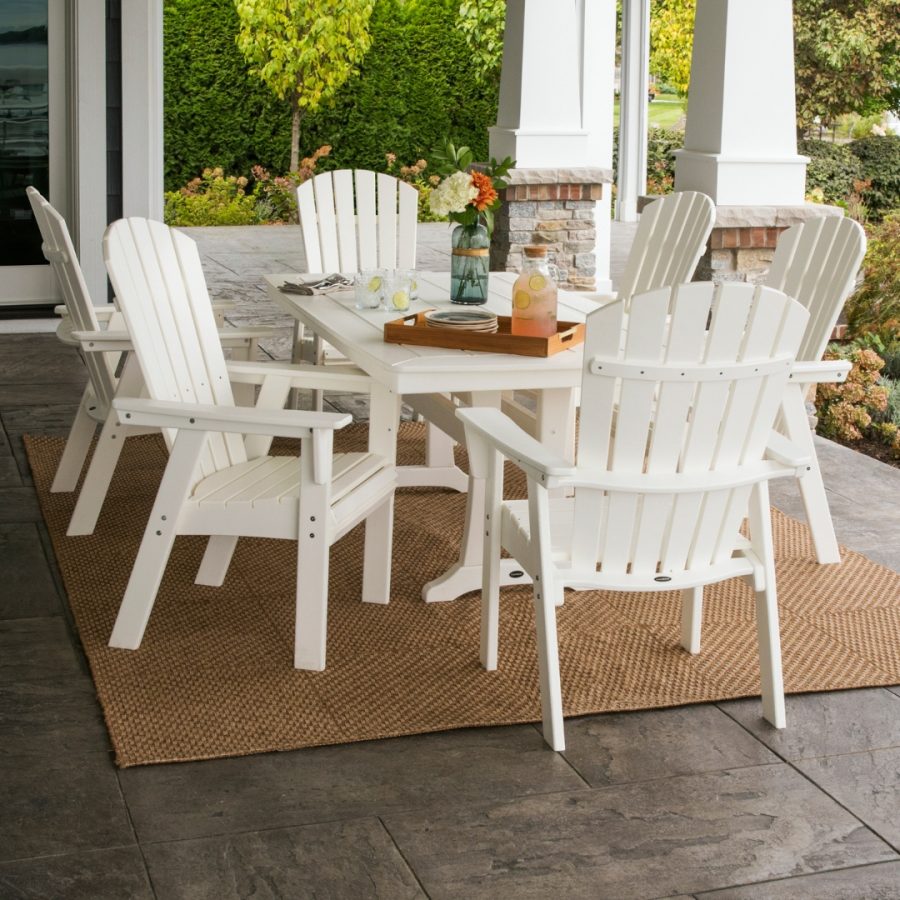
Poly Wood furniture is made from High Density Polyethylene (HDPE), a recycled plastic that will never need to be painted or stained. It will not rot or splinter, and it contains an added UV protective agent to resist fading. While most lumber colors need to be cleaned only a few times per year, certain colors such as white, need to be cleaned more regularly to maintain its original beauty.
Start by spraying off your frames with a hose to remove loose dirt and debris. Next, using a solution of water and mild detergent or vinegar, scrub the frames with a soft bristle brush or cloth. Finish by rinsing the frames and allowing them to dry in a shaded area.
If you are looking to sanitize your HDPE Furniture, you can add 1 parts bleach to 2 parts water to your soapy water formula. Ensure you rinse thoroughly as to not leave any bleach on the surface of the frames.
You can also use a pressure washer (rated no higher than 1,500 psi) equipped with a 40-degree fan tip to clean your HDPE Furniture. Make sure you spray all areas of your furniture with slow, even sweeps, keeping the nozzle about 8-12 inches away from the surface.
Ipe Wood
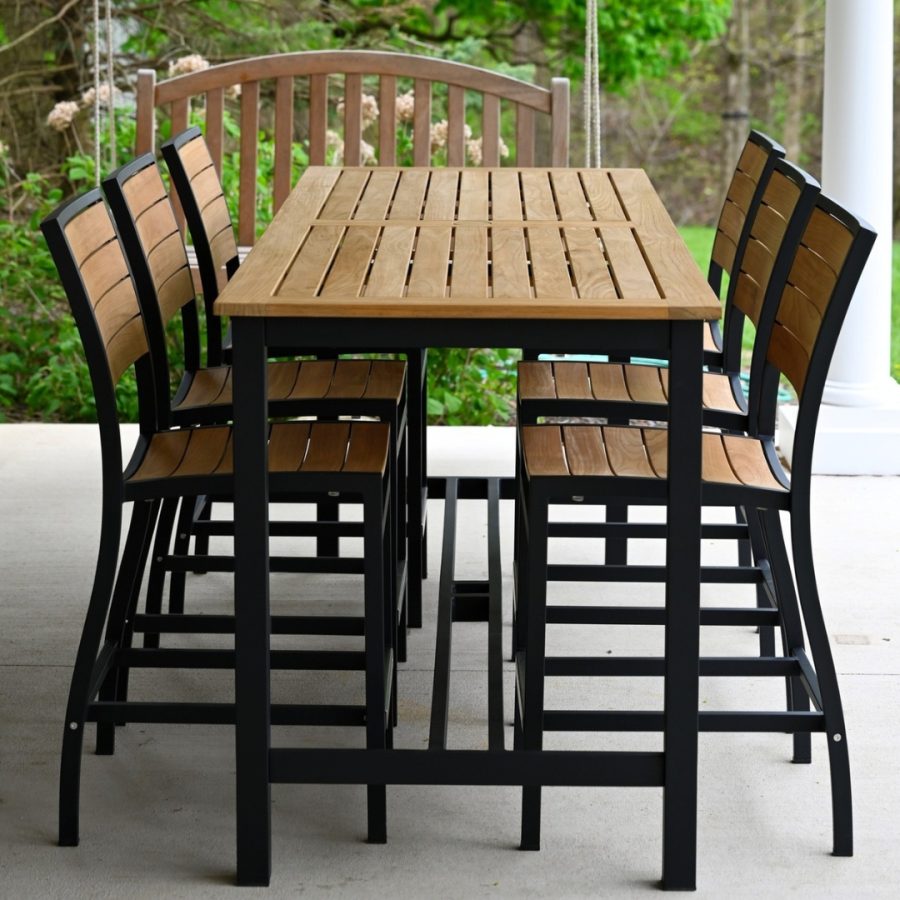
Ipe timber exhibits a deep chocolate-brown grain when new that may be allowed to naturally age to an elegant silver patina or brought back to an as new finish at any time.
When your Ipe furniture is new or freshly cleaned, you should protect it with Jensen Outdoor’s Wood Shield. Applying the Wood Shield as directed to all Ipe surfaces will further protect against water and food stains.
If dirt, dust, or spills occur, wash your Ipe wood surfaces with a soft bristle brush or soft towel and Jensen Outdoor’s Penofin® Pro-Tech Wood Cleaner to remove surface dirt. Scrub in the same directions as the grain of the wood, then rinse off with water. Once complete, allow to dry completely. If you do not have access to Wood Cleaner, you may substitute with a mild detergent and water mixture.
If you are looking to restore your Ipe wood to its original coloring, please see the below link to Jensen Outdoor’s Website for instructions
Jensen Outdoor Ipe Maintenance
Teakwood
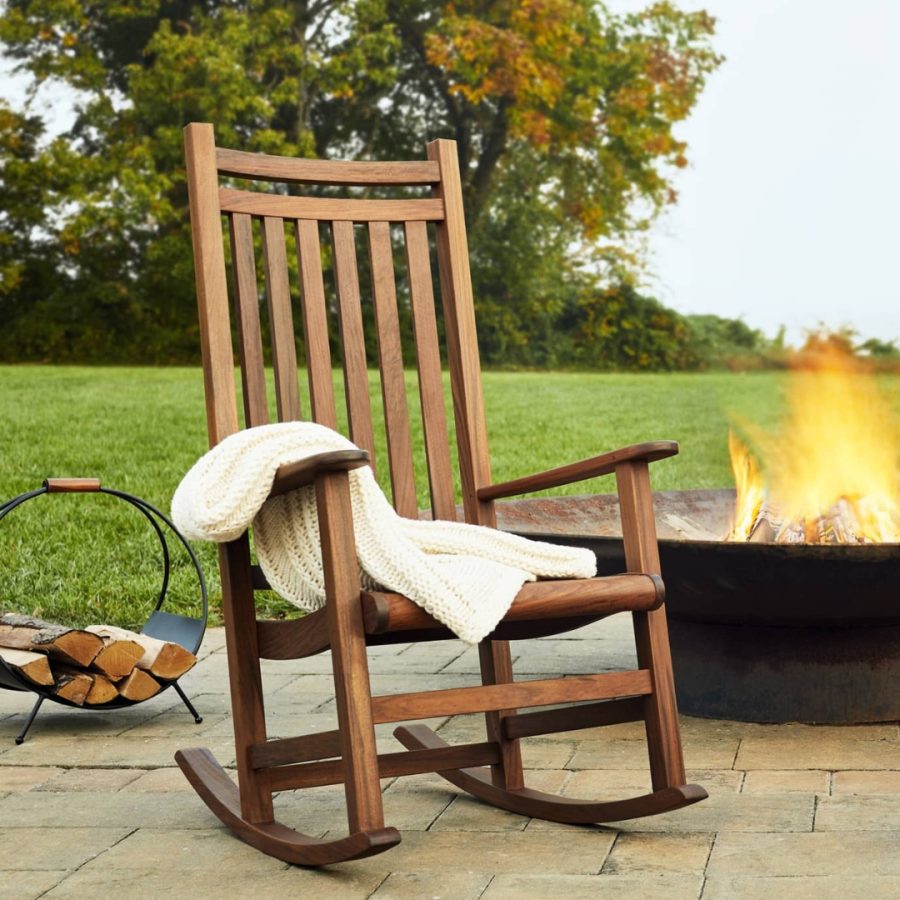
There is little maintenance needed for teakwood furniture. Some individuals clean their teakwood furniture every month and others choose to allow it gray naturally. Three Birds recommends you DO NOTHING, and allow your teak furniture to weather naturally. In less than a year of exposure to the elements, Teak will naturally weather to a beautiful silver-gray patina. The only maintenance needed is an occasional cleaning.
To clean your teak, first hose down the furniture with fresh water. Next, scrub the wet furniture using a soft bristle brush and a solution of 2/3 cup laundry detergent and 1/4 cup bleach in 1 gallon of warm water. When finished scrubbing, rinse the entire piece with more fresh water to remove any remaining cleaning solution.
The growth of mold and mildew can be expected on teak furniture especially in the Florida climate. This is not an indication of faulty wood, but is a marker of authentic teakwood. This growth is due to dirt and other foreign substances resting on the teak and interacting with the moisture in the air.
To prevent the growth of spots and mildew, clean teak wood if food or dirt is visible on the surface, otherwise periodically wipe down furniture with soapy water. Avoid harsh cleaning solutions and abrasive methods.
To remove mildew, use Three Birds’ Teak Cleaner as directed. If some spots are persistent, use medium grit sandpaper to sand the affected areas. This will remove a very thin top layer of the wood to which the growth has attached itself.
For more information on maintaining and restoring your teakwood furniture, visit Three Bird’s Care and Maintenance Page
Three Birds Teak Maintenance
Cushions & Pillows
The vast majority of the fabrics we carry are outdoor performance fabrics that do not promote mold and mildew growth, however, mold and mildew may grow on dirt and other foreign substances if not removed from the fabric. We recommend brushing or vacuuming off your cushions regularly to help prevent any soiling build up on the fabric
Our general cleaning instructions are as follows:
-
Remove any loose debris and blot stain if fresh.
-
Blot or spray water and bleach solution (1 cup bleach to 1 gallon water) on the stain and allow the solution to soak into the fabric.
-
Thoroughly rinse fabric with water until clean. If stubborn stains remain, using a white washcloth, gently rub stain with up to 100% bleach, and rinse with water.
-
Place cushions in a well ventilated area and allow to dry completely before placing them back onto the frames.
Please note, we machine stuff all of our cushions, meaning they are often difficult to restuff. We recommend spot cleaning the fabric with the foam still inside as often as possible. With that being said, if using a sudsy detergent, be careful as to not leave any suds inside the foam as it will continually rise to the surface and attract more dirt and debris.
If you have a rain fabric, ensure the inside of the fabric never gets wet as this will damage the waterproof barrier.